

Increase in Petroleum Prices
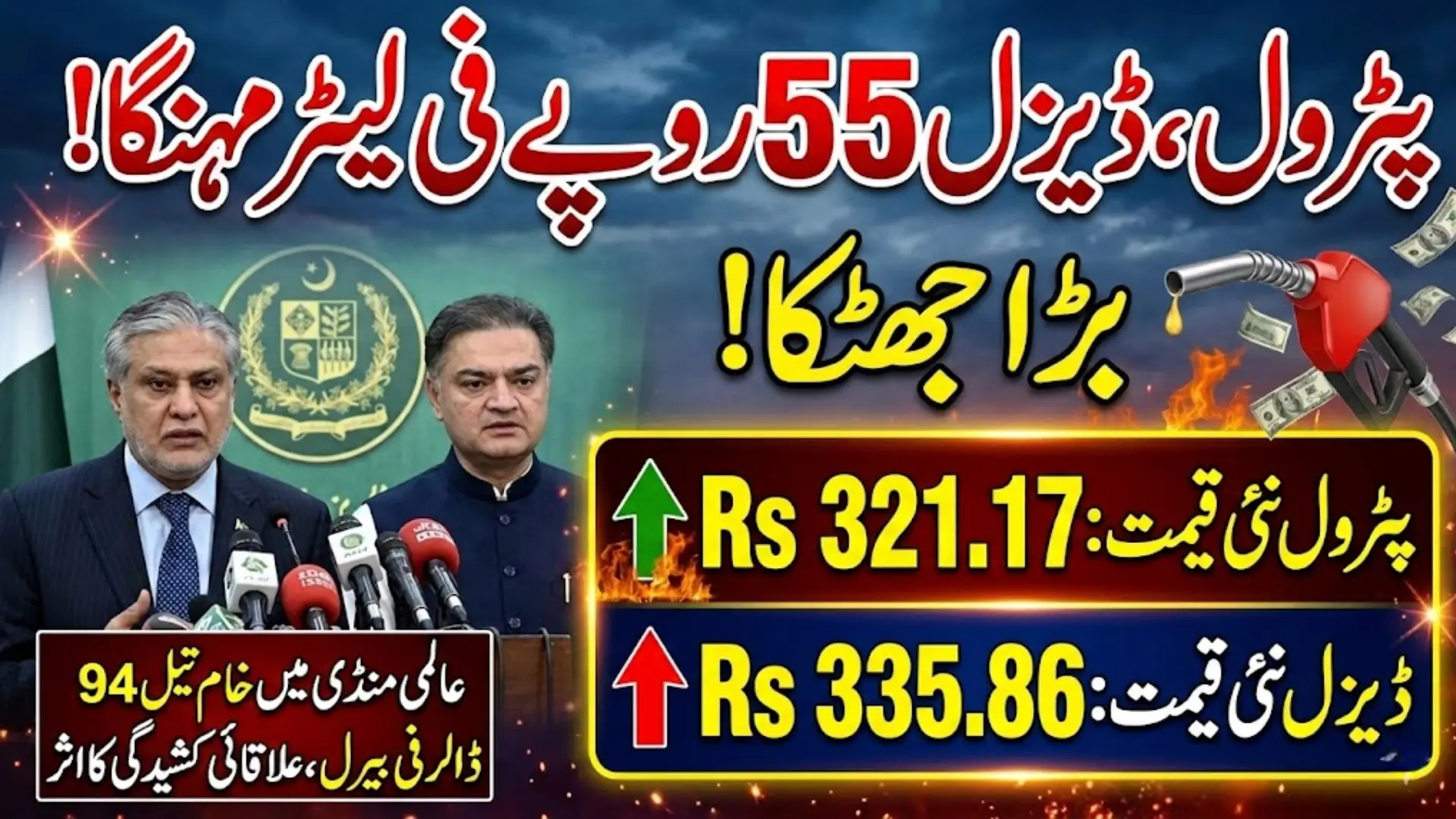
The increase in petroleum prices has become a major concern for people across Pakistan. The government has officially announced a significant rise in fuel prices due to rising international oil prices and the tense regional situation. The decision was shared during a press conference by Deputy Prime Minister Ishaq Dar, Finance Minister Muhammad Aurangzeb, and Petroleum Minister Ali Pervez Malik.
According to the government, the increase in petroleum prices was unavoidable because global crude oil prices have been rising rapidly. Officials stated that the government tried to balance the situation before making the final decision. However, due to the sharp increase in global oil prices and the ongoing regional tensions, the government had to raise petrol and diesel prices to manage economic pressure.
New Petrol and Diesel Prices After the Increase
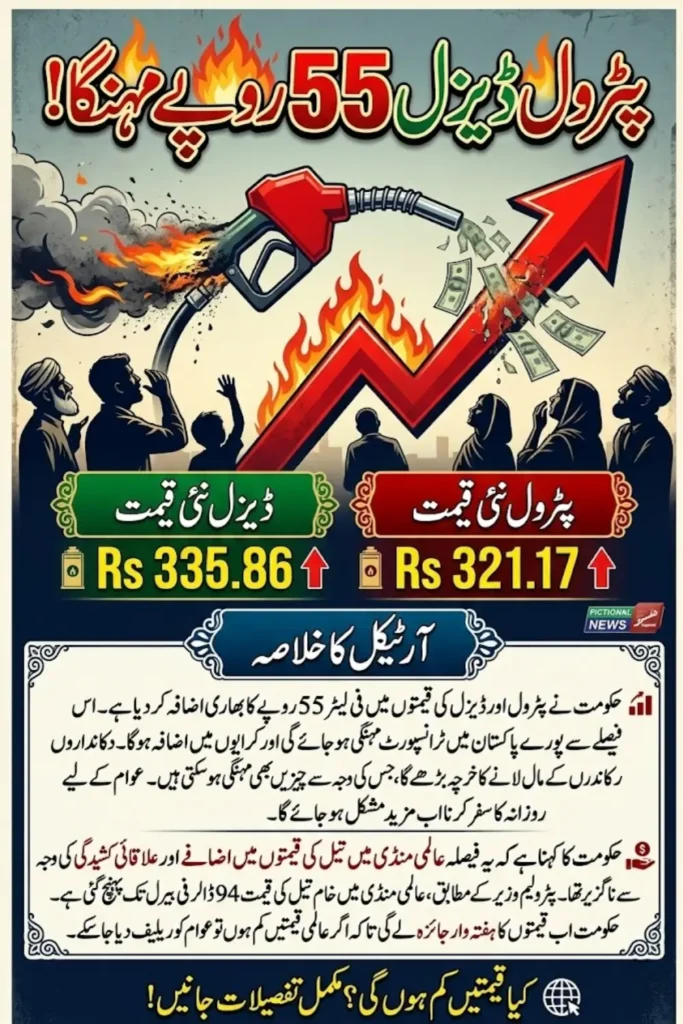
After the increase in petroleum prices, new fuel rates have been implemented across the country. The government increased both petrol and diesel prices by Rs 55 per litre, which immediately affected transportation, business costs, and household expenses.
The new fuel prices are as follows:
| Petroleum Product | Previous Price (Approx.) | Increase | New Price |
|---|---|---|---|
| Petrol | Rs 266.17 | Rs 55 | Rs 321.17 |
| Diesel | Rs 280.86 | Rs 55 | Rs 335.86 |
Key points regarding the new prices include:
- Petrol price increased by Rs 55 per liter
- Diesel price increased by Rs 55 per liter
- Petrol now costs Rs 321.17 per liter
- Diesel now costs Rs 335.86 per liter
- The new prices took effect immediately at night
This increase in petroleum prices is expected to influence transportation costs, goods delivery charges, and daily commuting expenses for the public.
How to Identify Valid BISP Messages: Complete Guide for 2026
Government’s Reason for the Increase in Petroleum Prices
Petroleum Minister Ali Pervez Malik stated that the decision was extremely difficult but necessary for the country’s economic stability. According to him, the government carefully reviewed different options before announcing the increase in petroleum prices.
He further explained that the international oil market has been highly unstable. As oil prices continue to rise globally, countries that import oil are directly affected. Pakistan relies heavily on imported fuel, which means any global price increase quickly impacts domestic fuel prices.
Important explanations given by the government include:
- Global oil prices are rising rapidly
- Pakistan relies heavily on imported petroleum to meet its energy needs.
- Economic pressure forced the government to increase prices
- The decision was taken after detailed financial review
Officials also reassured the public that once the international market stabilizes, the government will reduce petroleum prices accordingly.
Impact of Global Oil Prices
One of the biggest reasons behind the increase in petroleum prices is the rise in global crude oil rates. According to the government briefing, the price of crude oil in the international market has reached around 94 dollars per barrel.
When global oil prices increase, countries that depend on imports face higher costs for purchasing crude oil. Pakistan must then adjust domestic fuel prices to cover these higher import expenses. This situation often leads to inflation and increased transportation costs.
Key global market factors include:
- Crude oil price reaching about $94 per barrel
- Increasing demand in global energy markets
- Supply disruptions due to regional tensions
- Rising transportation and shipping costs
These international factors directly contribute to the increase in petroleum prices within Pakistan.
Weekly Review of Petroleum Prices
The government has also announced a new policy to review petroleum prices on a weekly basis. This step is intended to respond quickly to fluctuations in global oil markets and prevent sudden financial shocks.
According to Petroleum Minister Ali Pervez Malik, if international oil prices decrease or the regional situation improves, the government will reduce fuel prices using the same mechanism.
The weekly review system will include:
- Continuous monitoring of global oil prices
- Regular evaluation of import costs
- Quick adjustments in local petroleum prices
- Policy decisions aimed at economic stability
This system is expected to provide flexibility in managing the increase in petroleum prices and help the government react more quickly to market changes.
How to Get a Green Property Certificate in Punjab: Step-by-Step Guide
Regional Situation and Government Concerns
Deputy Prime Minister Ishaq Dar said that the regional environment is currently tense, which has contributed to the surge in oil prices worldwide. He explained that a war-like situation in the region has disrupted energy markets and increased uncertainty.
The government is actively communicating with foreign ministers and international partners to reduce tensions and stabilize the situation. Diplomatic efforts are being made to prevent further escalation and minimize economic impacts.
Government actions regarding the situation include:
- Contacting foreign ministers of several countries
- Monitoring regional security developments
- Reviewing oil prices daily
- Coordinating with international partners
These efforts aim to reduce pressure on energy markets and limit further increases in petroleum prices.
Prime Minister’s Review of the Situation
Prime Minister Shehbaz Sharif has personally reviewed the situation regarding the increase in petroleum prices. Government officials stated that the Prime Minister held meetings to analyze the impact of rising oil prices on the national economy.
Senior officials, including economic and petroleum authorities, participated in discussions to determine the most balanced approach. The government attempted to increase prices only to the extent necessary to manage the financial burden.
Alert! What to Do If Someone Deducts Your BISP Amount – Complete Guide 2026
The leadership review included the following points:
| Government Action | Purpose |
|---|---|
| Emergency meetings | Review rising oil prices |
| Economic consultations | Assess national financial impact |
| Diplomatic communication | Reduce regional tensions |
| Daily monitoring | Track global petroleum trends |
These actions show that the government is closely monitoring the situation while trying to control the effects of the increase in petroleum prices.