

Plug-in Hybrid and Range-Extended Vehicles in Pakistan
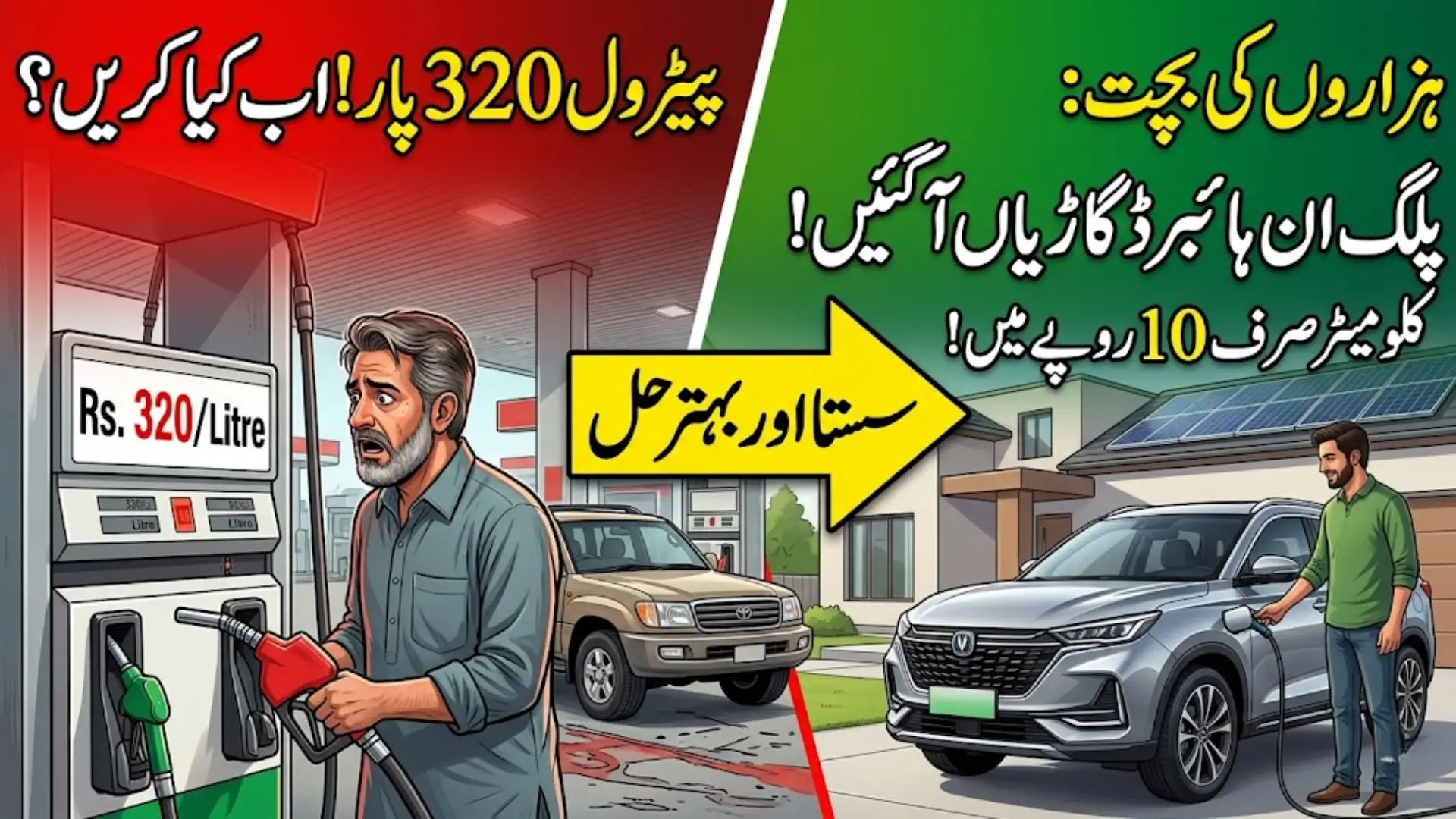
Fuel prices in Pakistan have crossed Rs 320 per liter, creating serious financial pressure for vehicle owners, especially SUV users. What used to be a manageable monthly fuel expense has now become a major burden for many households. As a result, people are actively looking for smarter and more economical alternatives. This is where plug-in hybrid and range-extended vehicles in Pakistan are gaining attention as a practical and cost-effective solution.
Impact of High Fuel Prices on Conventional Vehicles
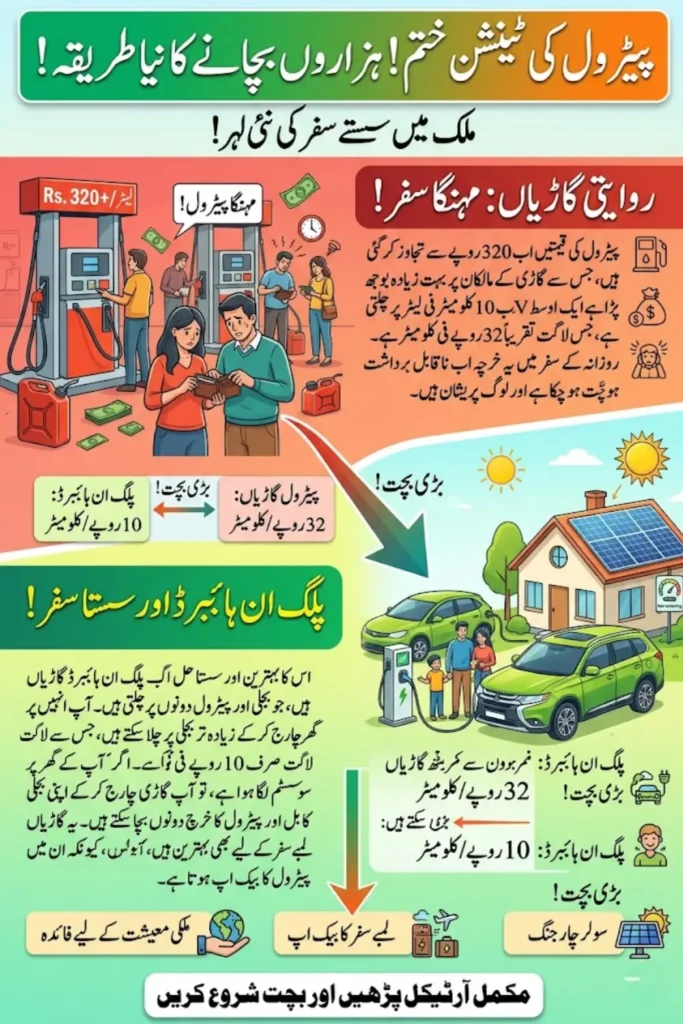
Traditional petrol-powered vehicles are becoming increasingly expensive to run. For example, a typical C-segment SUV that delivers around 10 km per liter now costs approximately Rs 32 per kilometre to drive. This sharp increase in running costs is forcing consumers to rethink their choices.
For daily commuters and families, this translates into a significant rise in monthly expenses. The situation is no longer just about convenience; it has become a matter of affordability.
Hybrid Vehicles: A Partial Relief
Hybrid vehicles were once seen as a good alternative because they offer better fuel efficiency. With an average of around 18 km per litre, hybrids reduce the running cost to nearly Rs 18 per kilometre.
While this is certainly an improvement over conventional vehicles, hybrids still depend on petrol. This means they are not completely protected from rising fuel prices, limiting their long-term cost-saving potential.
Also read: Study in Sweden 2026: Fully Funded Scholarships for Pakistani Students Explained
Rise of Plug-in Hybrid and Range-Extended Vehicles in Pakistan
A major shift is now taking place with the growing popularity of plug-in hybrid and range-extended vehicles in Pakistan. These vehicles combine electric power with a petrol backup, offering the best of both worlds.
In daily city driving, these vehicles can run mostly on electricity, reducing fuel consumption significantly. The petrol engine is only used when needed, such as during long-distance travel. This flexibility makes them highly suitable for Pakistani roads and driving habits.
Cost Efficiency and Savings
One of the biggest advantages of plug-in hybrid vehicles is their low running cost. A modern plug-in SUV can travel up to 170 km on a full electric charge. If electricity costs around Rs 50 per unit, a full charge may cost about Rs 1,700, bringing the per-kilometre cost close to Rs 10.
When compared to Rs 32 per kilometre for petrol vehicles, this results in savings of around Rs 22 per kilometer. Over a month, these savings can become quite significant, especially for people who drive regularly.
Role of Solar Energy in Supporting EV Adoption
Pakistan is also seeing a rapid rise in solar energy adoption. Many households are installing solar panels and using net metering systems. This trend is playing a key role in supporting the growth of plug-in hybrid and range-extended vehicles in Pakistan.
With solar energy, users can charge their vehicles at a much lower cost—or even for free in some cases. This reduces both electricity bills and fuel expenses, making these vehicles even more attractive.
Also read: Punjab Skill City Project Approved: A New Era of Technical Education and Youth Empowerment in Punjab
Advantages Over Fully Electric Vehicles
Fully electric vehicles (EVs) are still limited by charging infrastructure in Pakistan. In contrast, plug-in hybrid and range-extended vehicles offer a more practical solution.
They do not rely entirely on charging stations because they have a petrol backup. This makes them ideal for long journeys and areas where charging facilities are not available. For Pakistani consumers, this balance between electric and fuel power is a major advantage.
Economic Impact on Pakistan
The shift toward plug-in hybrid and range-extended vehicles in Pakistan is not only beneficial for individuals but also for the country’s economy. Pakistan relies heavily on imported oil, and rising global prices put pressure on the national budget.
By reducing fuel consumption, these vehicles can help lower the country’s import bill. Experts believe that widespread adoption of fuel-efficient and electric vehicles can significantly reduce fiscal pressure and improve economic stability.
Also read: Sindh Wheat Procurement Policy: CM Syed Murad Ali Shah Prioritizes Small Farmers and Storage Reforms
Expert Insights and Industry Perspective
Industry experts highlight that this shift is no longer just about environmental concerns. It has become a financial necessity for consumers. Rising fuel prices have forced people to focus on reducing their monthly expenses.
Automotive companies are also recognizing this trend and introducing more plug-in hybrid and range-extended models in the market. This indicates a strong future for this segment in Pakistan.