

IPR KP Education Reforms
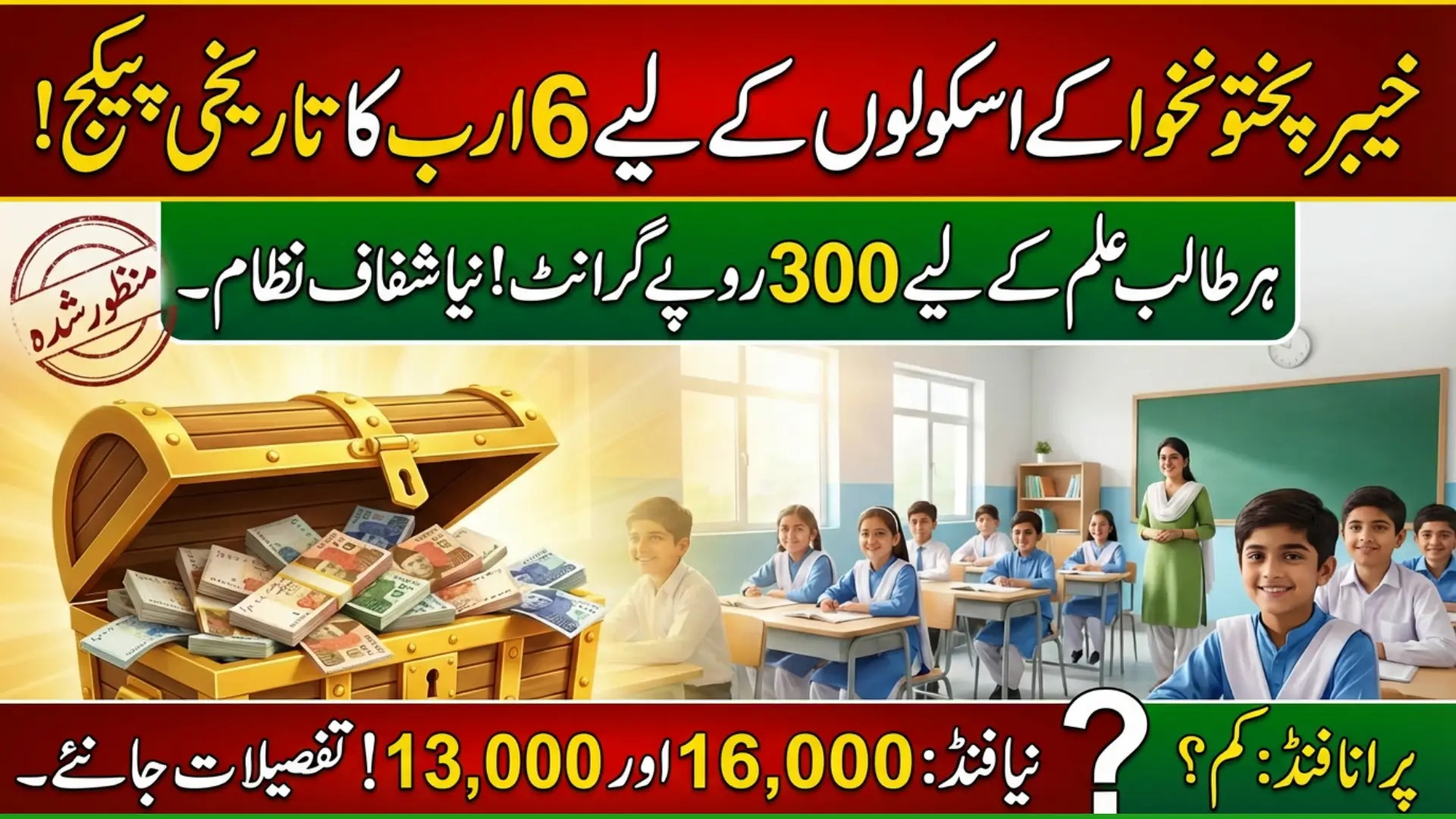
The IPR KP Education Reforms of Khyber Pakhtunkhwa’s education sector have embarked on a new, clean, and transparent system with a focus on transparency, accountability, and results. The reforms approved by the provincial cabinet are aimed at ensuring fair and effective distribution and utilization of public funds, as well as at making schools at the grassroots level. One of its key features is that it is a Parent Teacher Council Grant framework designed to support student teachers and schools at the grassroots level alike. The reforms have seen practical improvements that directly improve classroom learning and school management.
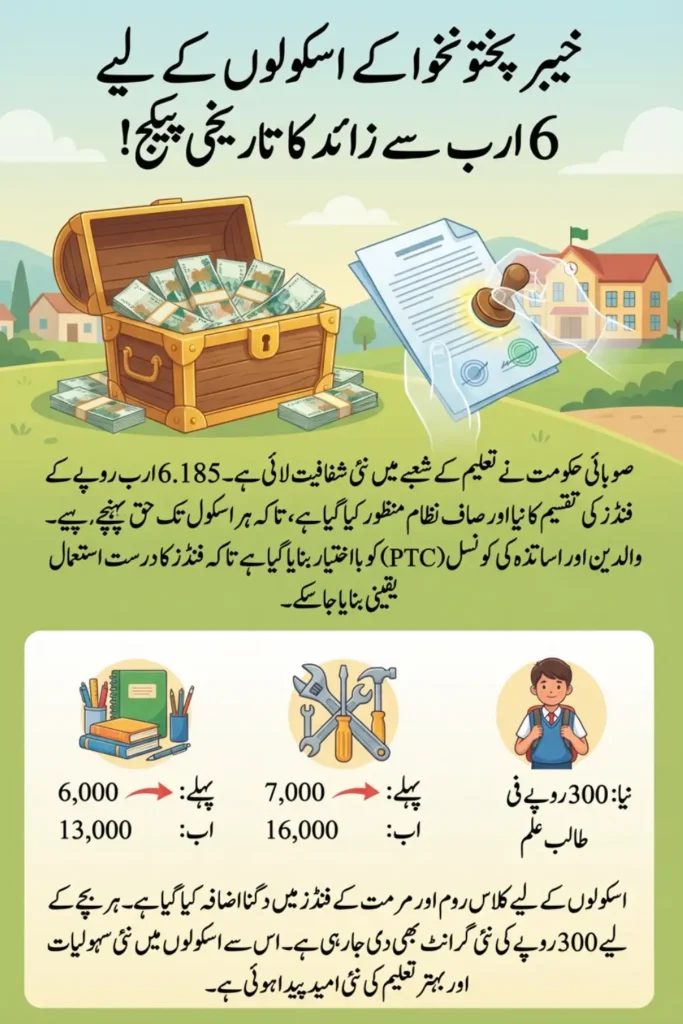
Under the IRP KP Education Reformer, PTC grants are clearly divided into three categories: classroom use, minor repairs, and a capitation grant. The funding for classroom use has increased from Rs 6,000 to Rs 13,000, while for minor repairs, it has increased from Rs 7,000 to Rs 16,000. This includes linkingthe capitation current funding of Rs. 300 per student to direct enrollment for the first time. With a total capitation revenue of Rs. 6.185 billion, these reforms will provide a good opportunity to improve the conditions of schools, increase transparency, and increase public confidence in the system, and create a new ray of hope.
Transparent Framework for PTC Grants
A major step under IPR KP Education Reforms is the approval of a new and transparent Parent Teacher Council grant framework. This system clearly defines how funds are allocated and used at the school level.
The grants are now structured to avoid confusion and misuse. Key features include:
- Clear categorization of funds
- Direct support for classroom needs
- Improved financial clarity for schools
BISP Qist 8171 Status: Online and SMS Tracking for Prevention Delays
Division of Grants into Three Categories
Under IPR KP Education Reforms, all PTC grants are divided into three specific sections. This division helps schools plan better and address real needs without delay.
The three categories are designed to cover both academic and infrastructure needs. These include:
- Classroom consumables
- Petty repairs
- Capitation grant per student
Grant Category Previous Amount New Amount
Classroom Consumables Rs 6,000 Rs 13,000
Petty Repairs Rs 7,000 Rs 16,000
Increased Funding and New Capitation Grant
Classroom consumables funding has more than doubled, supporting daily teaching activities. Schools can now manage learning materials more effectively.
Petty repair funds have also increased significantly, helping schools handle minor maintenance. In addition, a capitation grant of Rs 300 per student has been introduced, linking funding directly to enrollment.
Financial Impact and Expected Outcomes
The total annual allocation for these three sectors has been fixed at Rs 6.185 billion. This reflects the government’s strong financial commitment to education reform.
Sector Annual Allocation
PTC Grants Combined Rs 6.185 Billion. IPR KP Education Reforms are expected to improve school conditions, enhance transparency, and build trust in the public education system.
FAQs
What is the main goal of IPR KP Education Reforms?
The goal is to improve education through transparency, better funding, and practical school-level support.
What is new in the PTC grant system?
Grants are now clearly divided into consumables, repairs, and a student-based capitation grant.
How much is the new capitation grant?
The capitation grant is Rs 300 per student, introduced.
Historic Launch of Social Protection Integrated Beneficiary Registry in Khyber Pakhtunkhwa