
IT City, Education Reforms, and Health Projects in Punjab
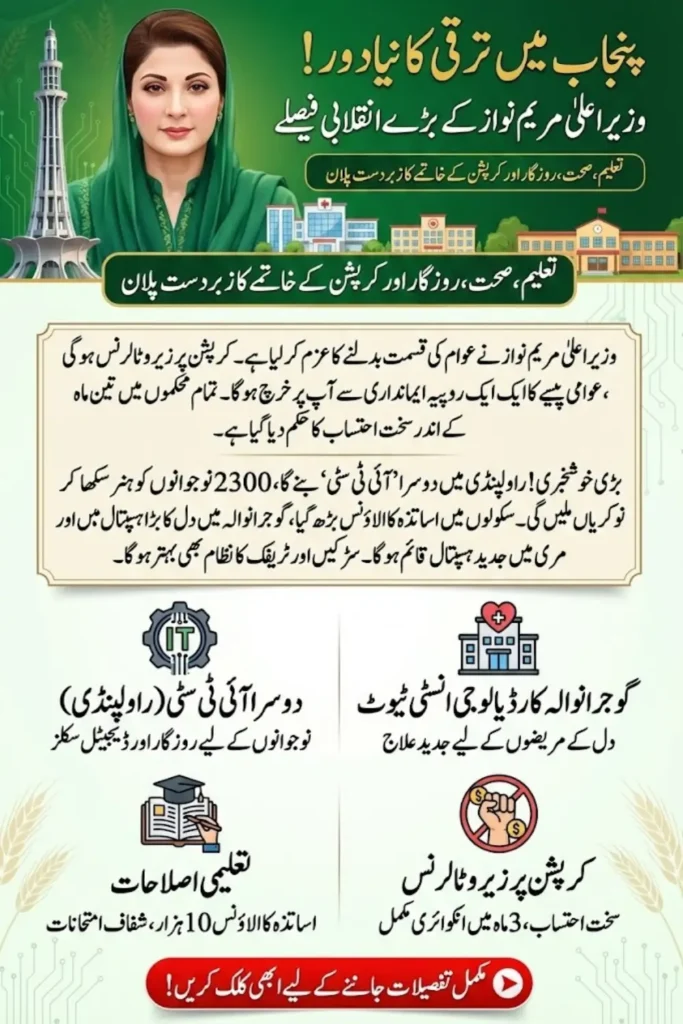
Punjab has entered a new phase of governance after the 31st provincial cabinet meeting chaired by Chief Minister Maryam Nawaz. The meeting focused on education, technology, health, infrastructure, youth development, and public convenience. A strong stance was taken against corruption, with clear instructions to complete full departmental inquiries within three months and ensure strict accountability across all departments.
The chief minister stated that public funds are a trust and even a single rupee of corruption will not be tolerated. This policy reflects a wider vision of transparent governance and efficient use of resources. The cabinet decisions aim to improve daily life for citizens while strengthening state institutions.
Key governance priorities included:
- Zero tolerance for corruption
- Time-bound departmental inquiries
- Public fund protection and accountability
Digital Growth, Youth Skills, and Urban Development
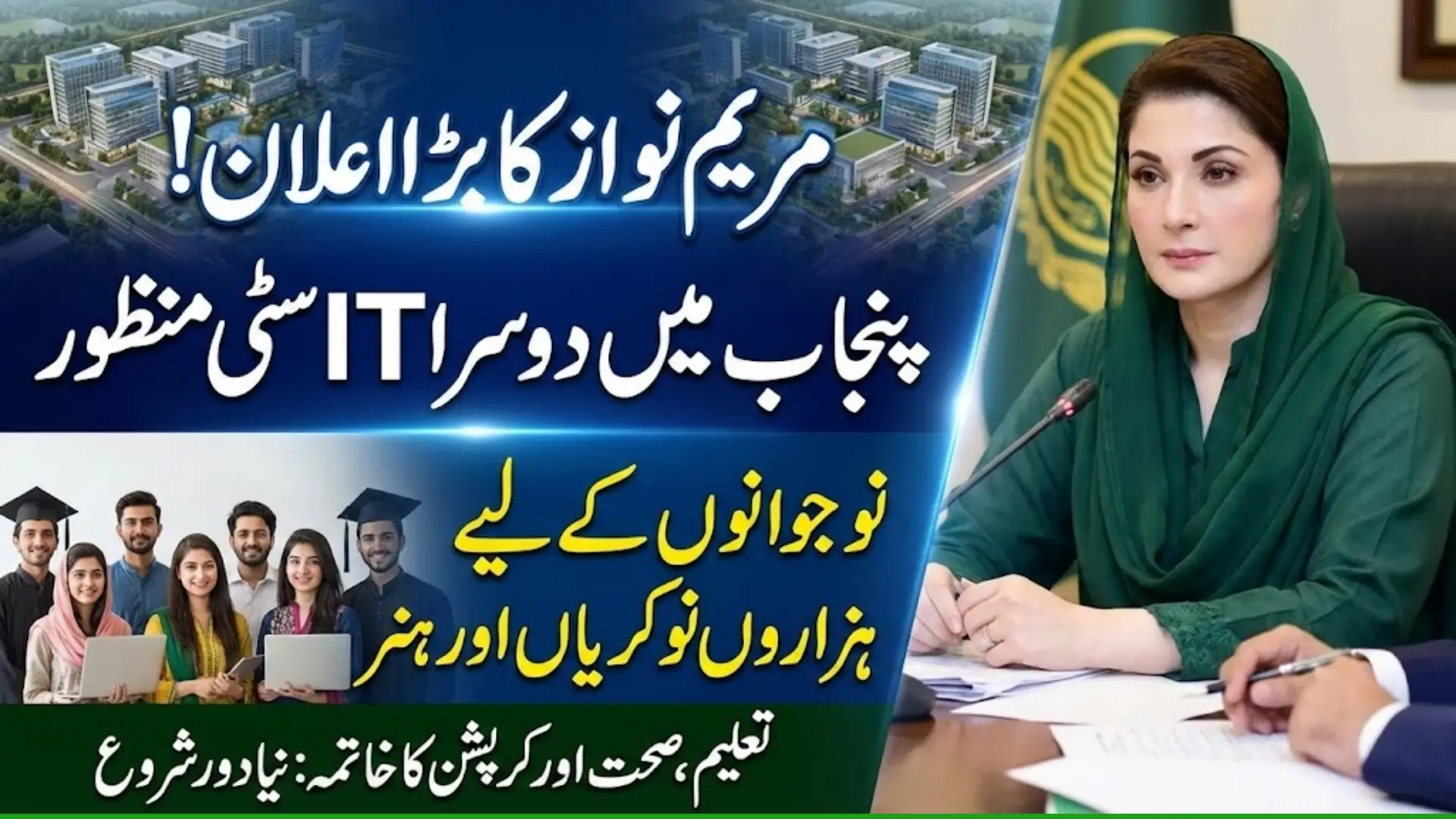
A major highlight was the launch of Punjab’s second IT City in Rawalpindi, marking a new step toward digital transformation. The cabinet also approved a plan to train 2,300 youth as skilled professionals within one year. These initiatives aim to reduce unemployment and align youth skills with modern market needs.
Urban life improvement was another priority. Modern traffic lights were approved for Lahore, zebra crossings will improve road safety, and potholes on city roads will be filled to ensure smoother travel. These measures target safer and more organised cities.
Punjab Increases Head Teacher Allowance: CM Maryam Nawaz Announces Major Education Reform
Approved initiatives include:
- Second IT City in Rawalpindi
- Youth skill development targets
- Smart traffic and road safety systems
Punjab Key Sectors and Their Major Initiatives
| Sector | Key Initiative |
|---|---|
| Technology | IT City, Digital Skills |
| Urban Services | Traffic Lights, Safe Crossings |
Education, Health, and Social Welfare Reforms
The cabinet approved the creation of Punjab’s first autonomous examination authority to ensure fair and transparent exams. The head teacher’s allowance was increased from Rs 5,000 to Rs 10,000 to strengthen school leadership. Recruitment restrictions were eased in education and health departments to fill essential vacant posts.
Healthcare development included new medical equipment for hospitals, converting a mother and child hospital in Murree into a general hospital, and approving a cardiac institute in Gujranwala. Community welfare was also addressed through policies supporting religious leaders and expanding livestock exports.
Major reforms include:
- Transparent examination system
- Increased head teacher allowance
- Expansion of healthcare facilities
Major Punjab Development Projects and Their Locations
| Project | Location |
|---|---|
| Cardiology Institute | Gujranwala |
| Road Project | Chichawatni–Shorkot |
FAQs
What was the main outcome of the Punjab cabinet meeting?
The meeting approved reforms in governance, education, health, technology, and infrastructure with strict anti-corruption measures.
How will corruption be addressed in Punjab?
All departments must complete inquiries within three months, ensuring accountability and zero tolerance.
What steps were taken for youth development?
The government approved skill training for 2,300 youth and launched a new IT City.
How will education benefit from these decisions?
Head teacher allowances were increased, and a transparent examination authority was established.